
SERVICE AREA
All Of Canberra
.svg)
0431 262 273

Nobody enjoys the feeling of being watched in their own home. Whether you live on a busy suburban street or have windows that look directly into a neighbour’s living space, privacy matters. It affects how you relax, how secure you feel and even how much natural light you’re comfortable letting in.
At Prime Tinting, we work with homeowners across Australia who want to improve privacy without blocking sunlight or shutting blinds all day. This is especially true for people seeking home window tinting in Canberra, where the mix of strong sun, large glass areas and street-facing homes makes privacy tint a popular solution.
But not all tint films deliver the same kind of privacy. Some work brilliantly during the day, others offer full-time privacy and a few are great for heat reduction but do little to stop people seeing in. This guide breaks down what actually works, what doesn’t and how to choose the right film for your space.
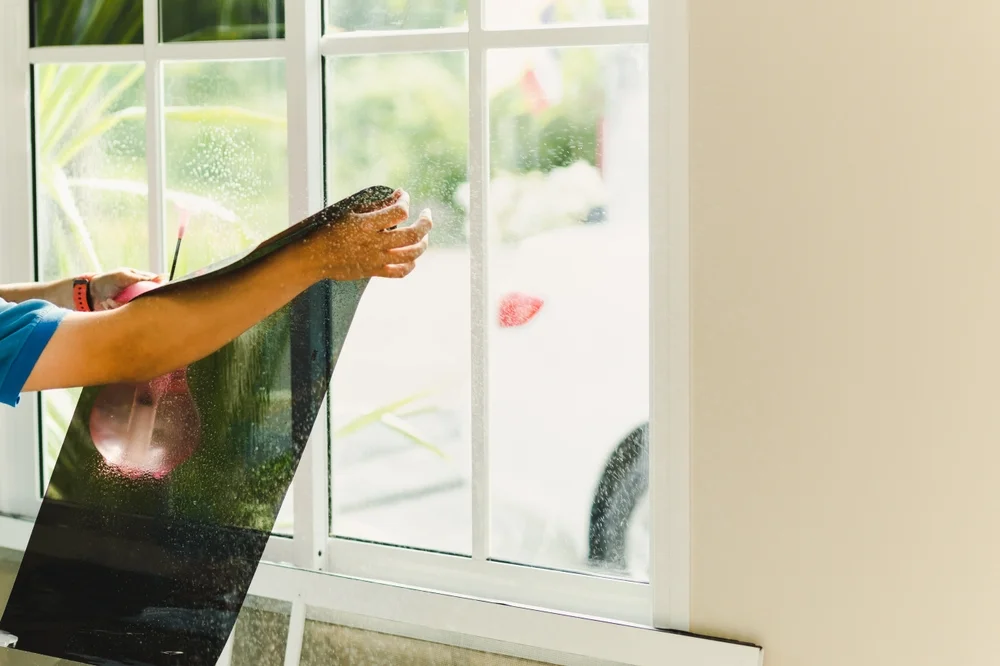
Many people assume that if the glass looks darker, it must be more private. In reality, privacy depends not on colour alone, but on how films interact with light. Some tints give you daytime coverage, some offer around-the-clock obscurity and others provide comfort benefits with only mild privacy.
Understanding these differences is the key to choosing a film that genuinely matches your needs.
Before exploring specific film types, it helps to understand why privacy tinting behaves differently throughout the day.
During daylight hours, the outside environment is naturally brighter than the inside of your home. Certain films are designed to reflect that stronger light outward, making the window appear darker or mirrored from outside while keeping your internal view clear. This effect works extremely well on street-facing rooms, living spaces and kitchens.
Once the sun sets and you turn indoor lights on, the situation flips; the inside becomes brighter than the outside. Without that strong external light to reflect, the privacy effect drops away.
So while you can still see out, people outside may be able to see in. This limitation applies to all clear privacy tint films, no matter how dark they are.
Reflective film is one of the most dependable options when daytime privacy is the main priority. It creates a mirror-like finish on the outside, significantly reducing visibility into your home.
If you have windows facing a footpath, a neighbouring driveway or a park, reflective film can make a noticeable difference without needing to close blinds. Many Canberra homes use this film to increase privacy and indoor comfort at the same time.
Keep in mind that reflective tint works as a daytime product. Once your lights are on at night, the effect reverses, which is why most homeowners pair it with blinds or curtains after dark.
For spaces where privacy is essential both day and night, frosted and decorative films are the most reliable solution. Rather than relying on light balance, they obscure vision altogether from both sides.
These films are ideal if you want full privacy without reducing natural daylight.
You can stand right besides a frosted window and still remain hidden, which makes it a favourite for rooms where privacy is non-negotiable.
Homeowners often prefer frosted tint because it looks intentional and stylish, rather than like a blockout fix.
Ceramic films are one of the most advanced tint options on the market. They are designed to reduce heat and UV without making glass look heavily tinted or mirrored.
While ceramic tint does provide a mild privacy effect during the day, it shines most as a comfort upgrade.
If you want privacy as a bonus rather than the main selling point, ceramic tint is ideal. It suits rear-facing windows, second-storey rooms and areas where daytime visibility matters more than obscurity.
Online, one-way mirror tint is often advertised as a magical fix for total privacy. In reality, its performance follows the same rules as reflective tint; it works extremely well during the day and loses its effect at night when interior lighting takes over.
It can still be useful for windows facing foot traffic or neighbouring homes, but expectations need to remain realistic. The bold mirrored appearance may also clash with certain home styles, especially older or timber-design houses.
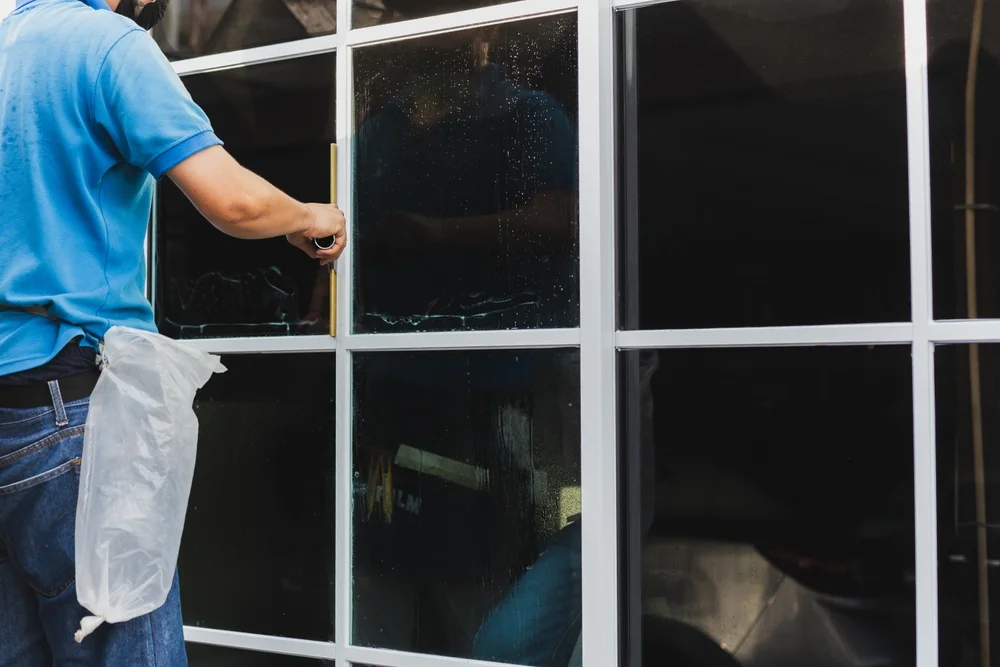
Some films are excellent for heat control and glare reduction but will not stop someone looking through your window. Knowing this can help prevent buying the wrong product.
If indoor lights are on and outdoor light is low, the interior becomes more visible to the outside world, even through tint. There are only three ways to guarantee night-time privacy:
This is not a design flaw; it’s simply how light behaves through glass.
Many homeowners assume the darkest tint will offer the strongest privacy. Unfortunately, darkness alone doesn’t block detail.
At night, silhouettes and movement are still visible through the dark tint when interior lights are on. Dark films are extremely effective for reducing heat and glare, but they are not a substitute for privacy-designed films.
Anti-glare films make rooms more comfortable by reducing reflections, especially on TV screens and computer monitors.
However, these products do not distort or blur visibility. If privacy is your goal, anti-glare tint is not the right match.
Different parts of the home require different privacy strategies.
Bedrooms
Bedrooms often need daytime privacy plus night-time protection. A common approach is using privacy tint for the day, paired with curtains or blinds after dark. Ceramic or reflective tint may work well depending on sun exposure.
Bathrooms
Bathrooms demand full-time privacy, so frosted or opaque tint is the safest choice. Moisture resistance and light transmission make frosted film ideal here.
Street-Facing Rooms
For windows that face a walkway or road, reflective tint offers excellent daytime protection. Pair it with blinds or shutters at night for complete coverage. Some homeowners choose reflective tint on the lower half and a lighter film above to keep natural light flowing.
For many households, the best outcome comes from combining tools rather than relying on one product.
Tint gives daytime privacy, energy efficiency and UV protection. Curtains or blinds add warmth, night-time privacy and style. Together, they solve both sides of the privacy problem without over-tinting your home.
Privacy tinting isn’t about choosing the darkest glass; it’s about matching the right film to the right situation.
If you want daytime street privacy, reflective tint may be perfect. If you need bathroom privacy at all hours, frosted films will give total coverage. If comfort and energy control come first, ceramic tint offers outstanding performance and a clean finish.
At Prime Tinting, our advice to homeowners is simple: think about how each room is used and how the natural light behaves throughout the day. With the correct tint and the right expectations, you can enjoy better comfort, improved privacy and a more secure home without sacrificing the view.
Whether you’re renovating, building, or simply tired of keeping curtains closed, privacy tinting can make a noticeable difference in daily life when chosen wisely. If you would like personalised recommendations for your home layout, our team is always happy to help.
Prime Window Tinting is a family owned and operated local business in Canberra, ACT. We're driven to deliver excellence in the tinting of your car, home or office.
