
SERVICE AREA
All Of Canberra
.svg)
0431 262 273

Choosing the right car tint is about more than just appearance. Comfort on long drives in Canberra, protection from harsh sunlight, and staying within ACT regulations all matter when deciding on a tint solution. From daily commuting to weekend trips, the right car tinting in Canberra can noticeably improve how a vehicle feels and performs throughout the year. At Prime Tinting, we regularly see drivers looking for a balance between comfort, durability and legal compliance, without unnecessary extras.
A well-chosen window tint should improve thermal comfort, reduce glare and support year-round usability. Quality car tinting can help keep vehicles cooler in summer, retain warmth during colder months, and maintain a clean, consistent appearance over time. When performance and compliance are considered together, drivers gain both comfort and peace of mind.
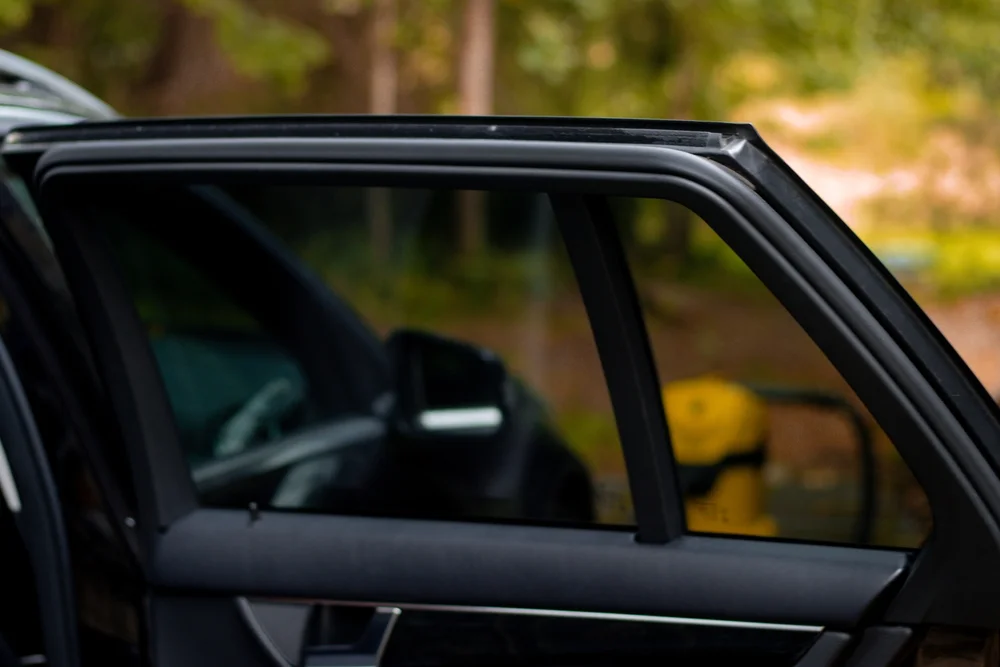
Different car tint types offer different benefits, and it is important to understand how each performs under real Canberra driving conditions. Some window tints prioritise heat rejection, while others focus on appearance, affordability or privacy. Performance varies depending on the materials used, exposure to sunlight, and long-term wear. Understanding how each tint option behaves helps drivers make informed decisions and avoid disappointment later.
Choosing the right car tint means looking beyond short-term aesthetics and considering how the tint will perform across seasons, driving habits and vehicle use.
When comparing car tint materials, the key differences come down to performance, durability and how the tint interacts with sunlight and vehicle systems. Each window tint type behaves differently in real-world driving conditions, particularly during long exposure to Canberra’s climate.
Ceramic car tint is known for strong heat rejection without significantly darkening visibility. Ceramic tint reduces glare, improves cabin comfort and maintains clear outward vision during daytime driving. It is commonly chosen by drivers who prioritise thermal performance and visibility over darker aesthetics. Ceramic tint also helps protect interior surfaces from UV damage, cracking and fading over time.
Carbon car tint offers a deep, even finish that resists fading. Carbon tint provides solid heat reduction and privacy while maintaining consistent colour across all windows. It is often selected by drivers who want a balance between performance, appearance and cost. Because carbon tint absorbs heat rather than reflecting it, it does not interfere with electronic systems and maintains its finish for years.
Metalised car tint uses microscopic metallic particles to reflect heat and light. Metalised tint can improve temperature control and add strength to the glass. However, its reflective appearance can noticeably change the external look of a vehicle, and the metallic content may interfere with GPS, mobile reception or keyless entry systems. For this reason, metalised tint is generally less suitable for modern vehicles with integrated electronics.
Each car tint type suits different priorities. Understanding how these materials behave helps drivers choose a tint that matches their driving habits, comfort expectations and vehicle technology.
Canberra’s temperature extremes place unique demands on car tint performance throughout the year. Summer heat can build rapidly inside parked vehicles, while winter mornings can feel sharp and uncomfortable. The right window tint helps moderate interior temperatures across both seasons.
During summer, effective car tint limits heat transfer through glass, reducing cabin temperature and glare while lowering reliance on air conditioning. In winter, quality tint slows heat loss through windows, helping the interior retain warmth during short trips and early starts.
Rather than being a seasonal upgrade, well-chosen car tinting delivers consistent comfort year-round. Stable thermal performance reduces strain on climate systems and contributes to a more comfortable and controlled driving experience regardless of weather conditions.
Long-term satisfaction with car tint depends on both durability and compatibility with modern vehicles. Materials vary significantly in how they age and how they interact with onboard technology.
Signal interference is most commonly linked to metalised car tint, which can disrupt GPS reception, mobile connectivity and keyless systems in some vehicles. Non-metallic tints, such as ceramic and carbon, avoid these issues while still delivering effective heat control.
Fading, bubbling and peeling are typically the result of low-quality tint films or improper installation. High-quality window tint materials maintain colour stability, adhesion and clarity over many years. Durable tinting protects both comfort and appearance while avoiding repeat replacement.
Choosing proven car tint materials ensures long-term performance without compromising vehicle functionality.
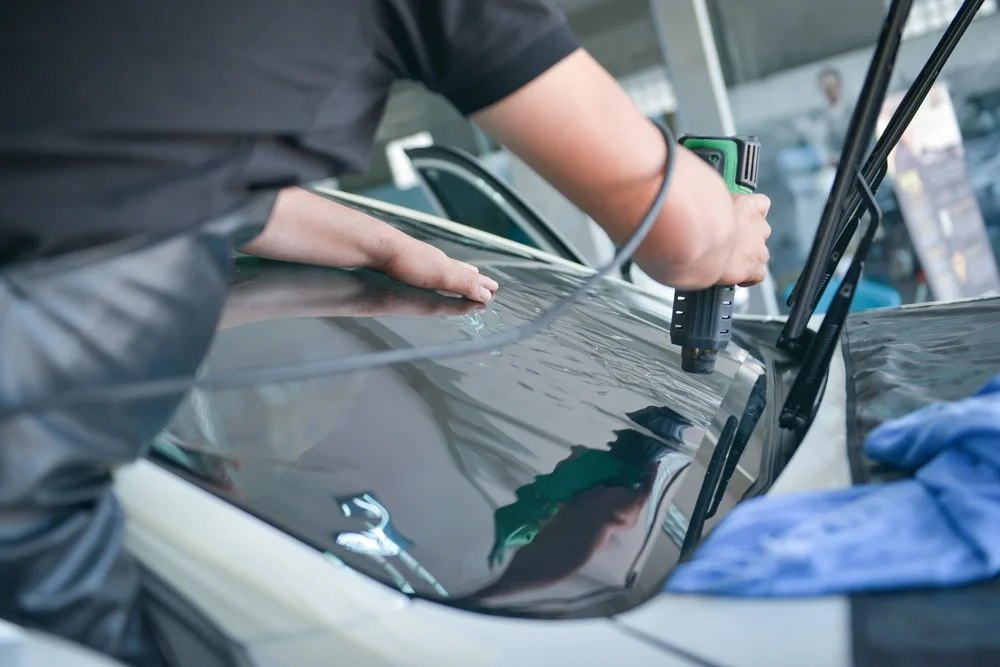
Professional car tinting ensures consistent results, legal compliance and lasting performance. From assessment to final inspection, each stage of the process contributes to the outcome. Understanding what professional tinting involves helps drivers feel confident throughout the experience.
Every vehicle has unique glass shapes, visibility requirements and usage patterns. A proper car tint assessment considers driving habits, comfort expectations and compliance requirements. This ensures the selected tint suits both function and appearance.
Preparation plays a critical role in achieving a clean finish. Thorough cleaning removes dust, oils and residue that could affect tint adhesion. The tint film is then carefully applied to ensure smooth alignment and even coverage. Final quality checks confirm clarity, consistency and correct installation across all windows. Any adjustments are made before the vehicle is returned.
A structured car tinting process supports durability, appearance and performance over time.
ACT regulations set clear limits on car tint darkness and reflectivity to ensure visibility and road safety. Staying within these legal limits avoids fines and unnecessary complications.
Compliance is based on visible light transmission levels, which determine how much light must pass through each window. Different windows may have different requirements depending on vehicle type and location. Understanding ACT car tinting laws helps guide appropriate tint choices from the start.
Professional guidance ensures the selected window tint meets legal standards and keeps the vehicle road-ready. Compliance protects drivers from accidental non-compliance and provides peace of mind.
Proper care helps maintain car tint performance and appearance over time. Simple habits can significantly extend the life of window tinting.
After installation, an initial curing period allows the tint film to settle fully. Avoiding window operation during this time prevents shifting or peeling. Once cured, regular cleaning with gentle products keeps tinted surfaces clear and free from damage. Abrasive cleaners or rough materials should be avoided to prevent scratches or clouding.
With correct care, quality car tint remains effective, attractive and durable for years.
Choosing the right car tint comes down to understanding material performance, seasonal demands and ACT compliance requirements. Durability, comfort and legality should work together rather than compete. When these factors align, everyday driving becomes more comfortable and stress-free.
By focusing on informed choices and professional standards, drivers can enjoy lasting benefits from their car tinting investment. A well-considered approach improves comfort, protects the interior and supports safe, confident driving year-round.
Prime Window Tinting is a family owned and operated local business in Canberra, ACT. We're driven to deliver excellence in the tinting of your car, home or office.
