
SERVICE AREA
All Of Canberra

0431 262 273

A dusty window or a few fingerprints can make you reach for your usual glass cleaner. However, if your windows have film, the surface needs more careful treatment than bare glass. A scraper or abrasive cloth that seems harmless on untreated glass can permanently damage the film.
For Canberra homeowners and businesses, knowing how to clean filmed windows properly helps maintain their appearance and avoid unnecessary repairs. Prime Tinting can provide guidance on caring for installed window film, including suitable cleaning methods and when persistent marks may need professional assessment.
Cleaning tinted windows should be a gentle maintenance task. Before starting, confirm which surfaces have film, check the product's care instructions and make sure the film is ready to be cleaned.
Follow these steps for routine maintenance:
Only clean windows that can be reached safely. If access requires leaning out of a window, climbing on furniture or working at height, arrange expert assistance. WorkSafe ACT’s ladder safety advice explains the risks of overreaching and recommends working from ground level wherever possible.
Window film is applied to a glass surface, but its position is not always obvious from the tint alone. Do not assume that every indoor glass surface is filmed or that the exterior can always be treated as bare glass. Check the installation paperwork or ask the installer to identify the treated surfaces.
This distinction matters because a cleaning method suitable for untreated glass may damage exposed film. Avoid using a fingernail, blade or scraper to locate the film's edge. If the treated surface is unclear, use a gentle approach until its position is confirmed.
When arranging home window tinting, ask for written care instructions that can be kept with household cleaning supplies. Knowing the installed product also makes it easier to check whether a cleaner or maintenance method is suitable later.
Newly applied film needs time to cure, and the required period depends on the product, glazing and surrounding conditions. Follow the installer's instructions rather than relying on a universal waiting period.
Some temporary haze or visible moisture may occur during curing. If this appears after installation, ask the installer whether it is expected and when the window can be cleaned. Trying to wipe away these effects too early may interfere with the curing process.
Canberra's changing temperatures and differences between sunny and shaded windows make product-specific advice useful. If the original instructions are unavailable, contact the installer before cleaning the film for the first time.
Once cleaning is permitted, use a clean, soft cloth to remove loose dust. Avoid pressing grit against the surface, and switch to a clean section of the cloth when necessary.
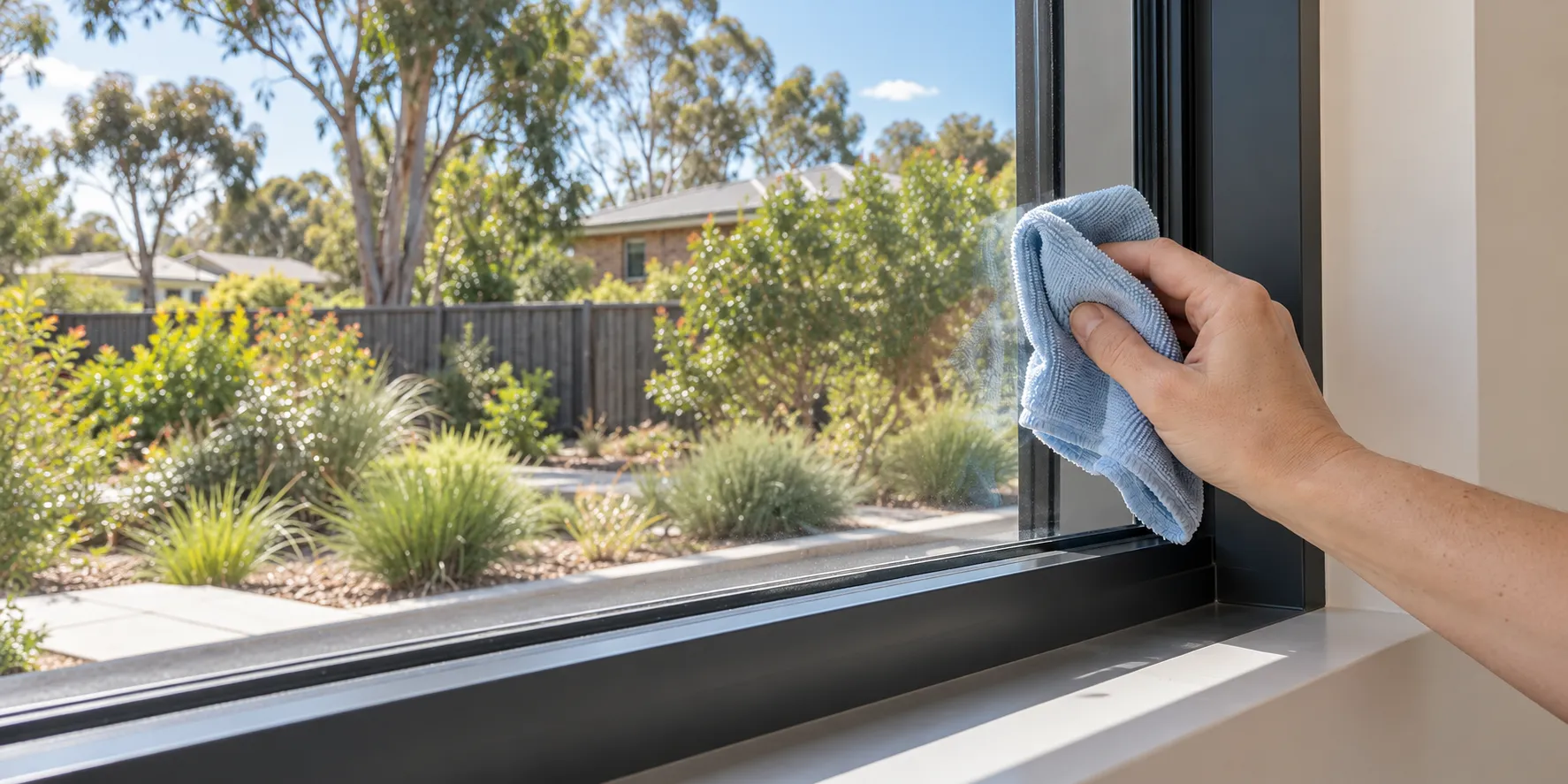
Apply a cleaning solution approved for the installed film, following the product's directions. Using a modest amount on the cloth may help control moisture, provided this method is permitted. Wipe gently and use another clean, soft cloth to remove remaining moisture if instructed.
Avoid soaking the film edges or allowing cleaner to pool along them. If a mark remains after one careful clean, do not increase the pressure or repeatedly rub the same spot. The mark may be residue, damage or a problem beneath the film that cleaning cannot resolve.
The condition of cleaning tools matters as much as the cleaning solution. A soft cloth contaminated with grit can scratch the film, while a product labelled for glass is not automatically suitable for every film type.
Keeping a small, clearly labelled cleaning kit helps maintain consistent care and ensures that anyone cleaning windows at home or in the office uses proper supplies.
Choose clean, soft, non-abrasive cloths without rough seams or hardened residue. Microfibre cloths may be suitable, but they should be inspected before use and replaced when worn or contaminated.
Check the film manufacturer's instructions before using glass cleaners, solvents or ammonia-containing products. Formulations and film coatings differ, so the safest option is a cleaner approved for the specific product rather than relying on broad claims about an ingredient.
If a mild, approved cleaner does not remove a mark, do not experiment with stronger chemicals. The mark may be within or beneath the film rather than on its exposed surface. Keep the care instructions accessible so everyone responsible for cleaning follows the same method.
Razor blades, scraping tools, abrasive scourers and gritty cleaning pastes can scratch or damage the film surface. Avoid using them to remove paint specks, sticky residue or stubborn deposits from filmed panes.
Polishing compounds are also unsuitable for repairing scratches because they can alter the surface without restoring the damaged film. If a deposit appears to require scraping, stop and ask the installer how it should be assessed or removed.
Window film may also help protect furniture and interiors from sunlight. Reading about how tinting can help protect furniture and interiors provides further context on the benefits of maintaining the installed film. Appropriate cleaning helps preserve its condition without introducing unnecessary surface damage.
Store film-cleaning cloths separately from those used on floors, outdoor frames or dusty sills. A cloth that has collected dirt should not be used across the window until it has been cleaned. Wash reusable cloths thoroughly and inspect them before returning them to the cleaning kit.
Offices should label suitable supplies and include film care in the cleaning instructions. Tell regular window cleaners which panes have film and which surfaces are treated rather than relying on the tint being visible.
Safe Work Australia’s guidance on using safety data sheets for workplace chemicals explains how to obtain and make safety information accessible when hazardous cleaning chemicals are used at work.
If using a squeegee or another wiping tool, first confirm that the manufacturer's instructions permit it. Its contact surface must be clean, soft and undamaged, with no trapped grit or exposed edges that could catch the film. If there is any doubt about a tool's suitability, use an approved alternative.
A mark that remains after cleaning is not necessarily stubborn dirt. It may be surface residue, a scratch, a change in the film or something on the opposite side of the glass. Increasing the pressure will not reliably identify the cause.
Observe whether the mark changes during gentle cleaning, remains in the same position or appears alongside lifting edges or other changes. These details can help an installer assess the issue without risking further damage.
Fingerprints, light dust and ordinary smears may clear with an approved cleaning method. If a mark transfers to the cloth and the area becomes clearer without pressure, it may be removable surface residue. However, this does not prove that the film underneath is undamaged.
Inspect the window in ordinary daylight from a couple of angles. A smear may be easier to see from the side, while a mark on the opposite face of the glass may appear to sit on the film. Check only from safely accessible positions, and avoid touching or probing the film's edges.
Streaks can also result from excess cleaning solution or residue on the cloth. If this happens, check the product instructions and use clean supplies for another gentle pass. If the mark remains unchanged, stop rather than repeating the process more forcefully.
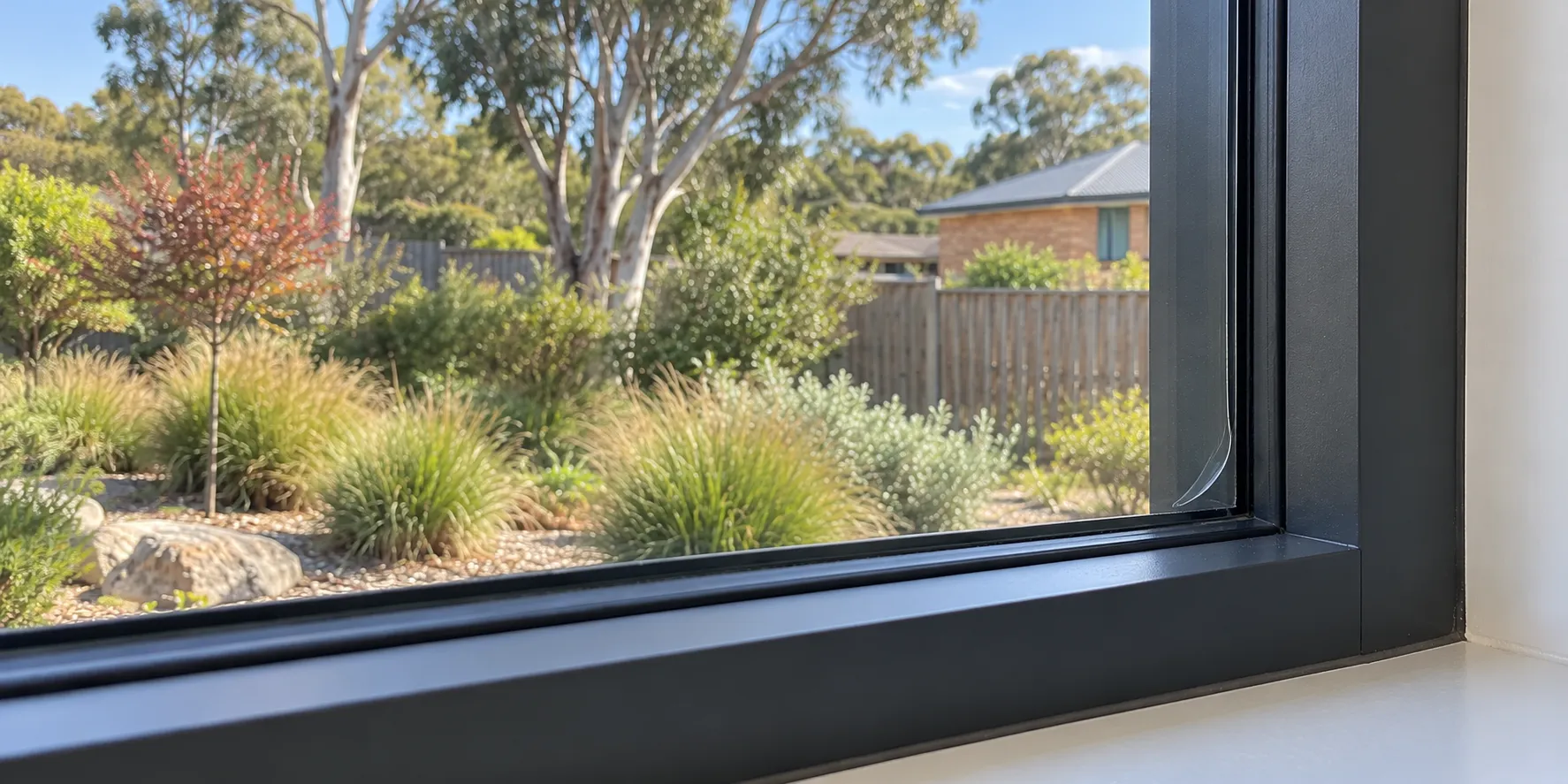
Fine lines that remain in the same place may be scratches rather than dirt. Persistent cloudiness, patches that appear beneath the surface or edges that begin to peel also warrant attention, specifically if the window was previously clear.
Newly installed film requires a different assessment because temporary haze or moisture may occur during curing. Whether these effects are expected and how long they last depends on the product and installation conditions. Ask the installer whether the appearance matches the expected curing process.
Do not scrape persistent marks, polish scratches, puncture bubbles or attempt to glue down lifting edges. These actions can cause additional damage and make assessment more difficult. Cleaning alone cannot be relied on to repair damaged film or resolve an issue beneath its surface.
Stop cleaning if the surface catches your cloth, an edge moves or a mark remains unchanged after gentle cleaning. Take clear photographs in daylight and note when the issue first appeared, whether the film is newly installed and which products or tools have been used.
Contact professionals about persistent changes, especially if previously clear film becomes cloudy or begins peeling. For anyone comparing providers for Canberra window tinting, ask how product-specific care instructions and ongoing maintenance questions are handled.
A professional assessment can distinguish removable residue from expected curing effects or a film problem that needs further attention. Until the cause is clear, leave the affected area alone rather than testing stronger products or attempting a repair. With the right cleaning method and suitable supplies, filmed windows can be maintained without unnecessary wear. For advice, Prime Tinting can help homeowners and businesses determine the next step.
Prime Window Tinting is a family owned and operated local business in Canberra, ACT. We're driven to deliver excellence in the tinting of your car, home or office.
