
SERVICE AREA
All Of Canberra
.svg)
0431 262 273

Australia’s climate is demanding on vehicles. Long summers, intense UV exposure, glare-heavy roads and wide temperature swings mean that not all window tints perform equally well. For drivers researching car tinting in Canberra, choosing the right film is about more than just appearance; it directly affects cabin comfort, interior longevity, driving safety and legal compliance. At Prime Tinting, we help drivers navigate these choices because the “best” tint depends on how each film technology handles heat, UV radiation and driving conditions across the country.
Understanding how different tint types perform in Australian conditions allows you to make a decision that balances heat reduction, visibility, durability and compliance without compromising safety or comfort.
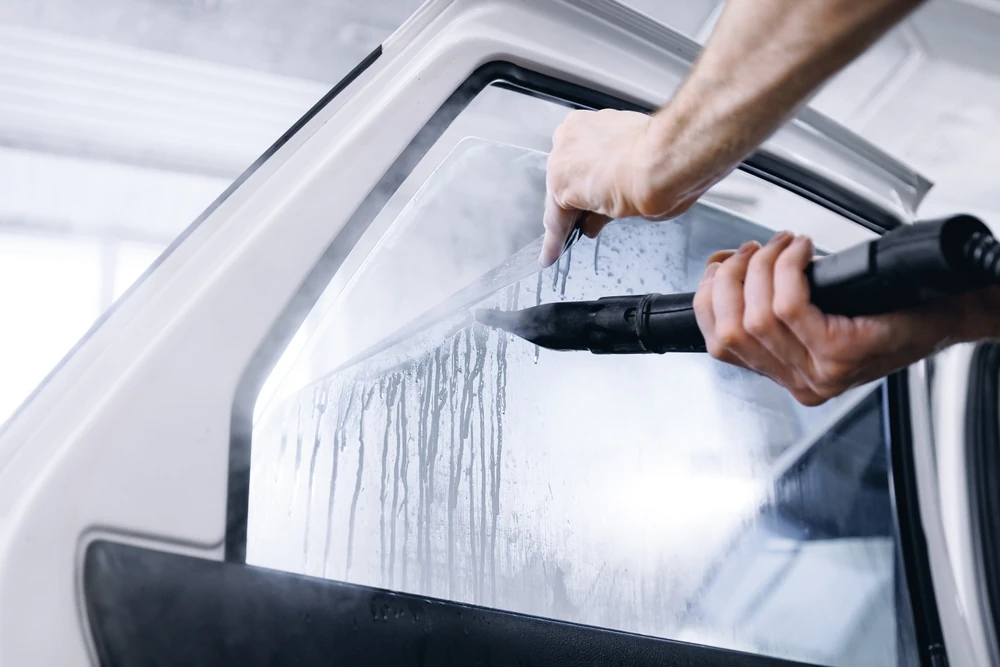
Not all window films perform the same under prolonged sun exposure. Each tint type manages heat, light and UV differently, and those differences become more noticeable over time. Understanding real-world performance helps drivers avoid fading, poor heat control and early replacement.
Dyed window tint is often the first option drivers encounter due to its affordability and darker appearance. It is created by layering dye between the adhesive and protective coating, allowing it to absorb visible light and reduce glare. Dyed film may suit:
However, prolonged exposure to harsh UV can cause dyed films to:
Metallised window tint was developed to improve heat rejection by reflecting solar energy rather than absorbing it. By embedding microscopic metallic particles within the film, this tint type can reduce heat and glare, which initially makes it appealing for summer and long daytime drives. Its strengths include:
However, metallised films can present practical drawbacks, especially in modern vehicles:
Carbon window tint is designed for drivers who want improved performance without the downsides of metallic layers. Instead of relying on dyes or metals, carbon film uses carbon particles to absorb and block heat while maintaining consistent colour and clarity. This makes it a strong mid-range option for drivers seeking durability and comfort. Carbon film offers:
Ceramic window tint is widely regarded as the highest-performing option due to its advanced construction and heat control. Using nano-ceramic particles, it blocks infrared heat and UV radiation without relying on darkness or reflectivity, making it ideal for comfort, clarity and long-term durability. Key benefits are the following:
Hybrid window tint combines elements of dyed, metallised or carbon technologies to provide improved performance at a more accessible price point. These films are designed to offer better heat rejection than basic dyed tint without the full investment required for ceramic film. These films may suit:
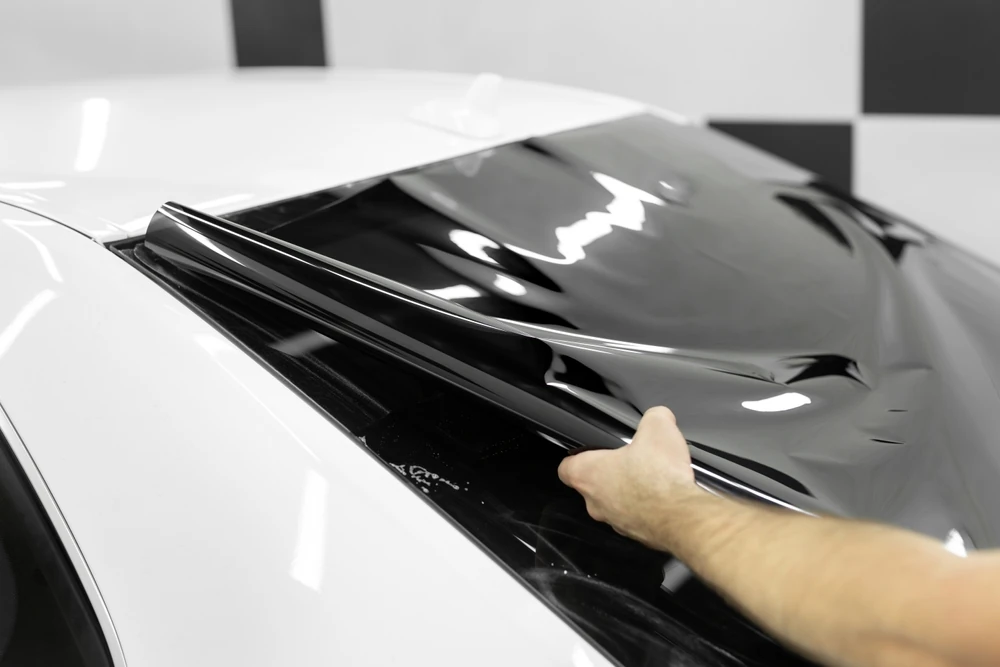
Choosing the right window tint involves more than selecting a dark shade. A film that looks appealing but fails to manage heat properly or meet legal standards can quickly become a liability. Understanding how tint choice impacts comfort, visibility and legality allows drivers to make informed decisions that suit their driving environment and long-term vehicle use.
Vehicle heat is driven largely by infrared radiation rather than temperature alone. Effective window tint must block this infrared energy instead of relying on darkness, allowing interiors to stay cooler without sacrificing visibility. This distinction becomes critical during long drives, peak summer traffic and extended periods of vehicles parked outdoors. A high-quality film that targets infrared heat can significantly reduce cabin temperatures while maintaining clear visibility and driving comfort. In practice:
Visible Light Transmission (VLT) refers to the percentage of visible light that is allowed to pass through a tinted window. In Australia, VLT limits are regulated at a state and territory level, and failure to comply can lead to fines, defect notices or insurance complications. Legal compliance is therefore just as important as performance when choosing window tint. Professional installers account for these variables to ensure your tint meets legal requirements while still delivering effective heat and UV reduction. General considerations include:
Many drivers choose window tint for privacy, but this must be balanced carefully with safe nighttime visibility. Excessively dark tint can reduce outward visibility after sunset, increasing risk in poorly lit streets, driveways and wet conditions. The goal is to achieve daytime privacy without compromising vision when light levels drop. Ceramic films are particularly effective in this area, as they maintain optical clarity even at moderate tint levels. The right balance provides:
Ceramic tint has become the preferred choice for drivers who want consistent performance in demanding conditions. Its ability to block heat and UV radiation without relying on heavy darkness makes it well-suited to roads, climates and modern vehicles. Although this tint typically costs more upfront, its durability and performance often result in better long-term value. Drivers often choose ceramic tint because it:
While budget tint options may seem appealing initially, window tint is a long-term investment that influences comfort, safety and vehicle preservation every day. Choosing purely on price can lead to fading, poor heat rejection or early replacement, ultimately costing more over time. Spending slightly more on a higher-grade film often delivers greater reliability, comfort and value throughout the life of the vehicle. When weighing options, consider:
The best type of window tint for Australian conditions is one that manages heat effectively, protects against UV radiation, complies with local laws and maintains clear visibility in all driving conditions. While dyed and metalised films still have their place, carbon and ceramic tints are far better suited to a demanding climate. If you’re considering window tint for comfort, protection and peace of mind, speak with our experienced installers here at Prime Tinting today and get advice you can trust before committing to a tint that’s right for your vehicle.
Prime Window Tinting is a family owned and operated local business in Canberra, ACT. We're driven to deliver excellence in the tinting of your car, home or office.
