
SERVICE AREA
All Of Canberra
.svg)
0431 262 273

Choosing the right window tint percentage for a vehicle is a decision that goes beyond appearance. It directly affects cabin comfort during hot conditions, visibility in low light, privacy in traffic and the long-term condition of interior materials. With professional insight from Prime Tinting, drivers gain a clearer understanding of how different tint levels perform in real-world conditions rather than relying on sample cards alone, especially when considering car tinting in Canberra where climate and regulations play a role.
This article breaks down what tint percentages actually mean, how they influence visibility and comfort and where legal limits apply. It also explores how different shades balance aesthetics with practicality and how professional installation helps prevent issues such as bubbling, peeling and non-compliance. Selecting a tint level becomes a more informed decision aligned with daily driving needs and long-term vehicle protection.
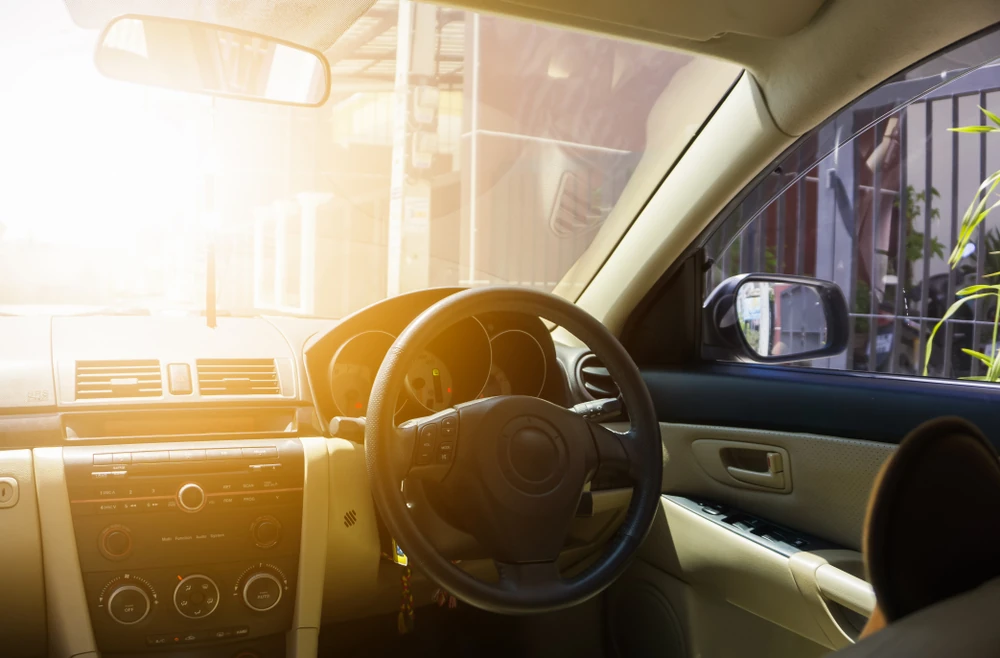
Window tint percentage refers to how much visible light is allowed to pass through the glass, not how dark the film looks on the roll. Understanding this number is essential before choosing a shade because it affects visibility, comfort and legal compliance. A lower percentage means a darker tint, while a higher percentage means a lighter tint.
For example, a 5% tint is very dark and lets in only 5% of visible light, while a 35% tint is much lighter and allows 35% of visible light through. Knowing what these numbers mean in practice helps match the look and performance of the film to everyday driving needs.
The key term behind tint percentages is “Visible Light Transmission” or “VLT”. This is the technical measurement used by manufacturers and is what the law refers to. When a tint is described as 20%, it means the film and glass together let 20% of visible light into the vehicle.
For example, applying a 35% film to glass that is already slightly tinted from the factory will result in a combined VLT that is darker than 35%. This is important when checking compliance with local regulations because enforcement is based on the total light transmission through the window, not the film rating alone.
Tint percentages have fairly predictable visual results. A 50% tint looks subtle and is often chosen for drivers who want mild glare reduction and UV protection with a nearly stock appearance. Around 35% is a common choice for a balanced look that offers privacy and heat reduction while still maintaining good visibility, particularly at night.
A 20% tint provides a noticeably darker, more private appearance. From the outside it is harder to see into the cabin during the day, although at night interior lights will still reveal occupants. At the extreme end, 5% tint, often called “limo tint”, offers maximum privacy and a bold aesthetic, yet it can reduce night visibility, especially on unlit roads.
Because perception of darkness changes with lighting conditions, a tint that looks moderate in bright daylight can feel much darker at night or in heavy rain. Matching percentage choice to typical driving conditions is therefore crucial.
Tint percentage directly affects safety and legal compliance. Too dark a tint can reduce the ability to see hazards, pedestrians and cyclists, especially in poor weather or at night. Front side windows usually face stricter limits than rear windows because the driver needs clear visibility through mirrors and side glass.
Local regulations set a minimum VLT for each window position on the vehicle. The legal limit is always a floor, not a recommendation. Many drivers choose slightly lighter than the maximum allowed to maintain better visibility and comfort in all conditions. Choosing a tint percentage should always start by understanding these VLT numbers, how they affect daily driving and how they align with local road rules.
Tint percentage has a direct effect on how much can be seen into and out of a vehicle and how comfortable it feels in different light conditions. Choosing the right level is a balance between privacy from the outside, clear visibility for safe driving and protection from heat and glare inside the cabin. Understanding how these elements change as visible light transmission (VLT) goes up or down helps avoid a film that feels too dark, too light or impractical for daily use.
VLT is expressed as a percentage. A higher VLT number means a lighter film that lets in more light. A lower VLT number means a darker film that blocks more light. For example, a 35% tint is noticeably darker than factory glass, while a 5% tint is the very dark “limo” look.
Privacy increases as the tint percentage goes down. Darker films, such as 5% to 20%, provide strong daytime privacy and make it difficult to see into the cabin from outside. They are often chosen for rear windows to protect valuables and reduce attention in busy car parks.
Mid‑range films, around 25% to 35%, give moderate privacy. Occupants and interior shapes are visible from close range, yet details are less clear, which suits family vehicles or daily commuters that still want a refined appearance.
Lighter films around 40% and above offer minimal privacy. These are usually chosen where legal limits are strict on front-side glass or where the priority is visibility and heat control rather than concealment.
Visibility is critical for safe driving, particularly through the windscreen and front side windows. Lighter tints such as 35% to 50% typically offer a good compromise, allowing clear views of mirrors, pedestrians and road hazards in both bright sun and low light.
Very dark tints, such as 5% or 15%, can reduce outward visibility at night on unlit roads or in heavy rain. Reversing, relying on side mirrors and judging distances become more difficult. For this reason, darker percentages are usually better kept to rear windows, where direct driving vision is less dependent.
High-quality films can improve perceived visibility in daylight by cutting harsh glare from the sun and reflective surfaces. Even a relatively light film, around 50%, can reduce eye strain and make digital displays easier to read without making the cabin feel dark.
Comfort in the cabin is influenced by heat build‑up, glare and UV exposure. Darker tints often feel cooler because they block more visible light and can reduce solar heat gain, particularly on large rear and side windows.
However, heat rejection is not only about VLT. Modern ceramic or infrared‑rejecting films can provide strong heat reduction even at lighter shades such as 40% or 50%. This allows compliance with legal tint limits on front windows while still keeping the interior noticeably cooler.
Glare control improves as the tint gets darker. Percentages from about 20% to 35% significantly cut glare from low sun and headlights, reducing eye fatigue on longer drives. Even lighter films can block up to 99% of UV rays, which helps protect skin and slows the fading of upholstery and trim.
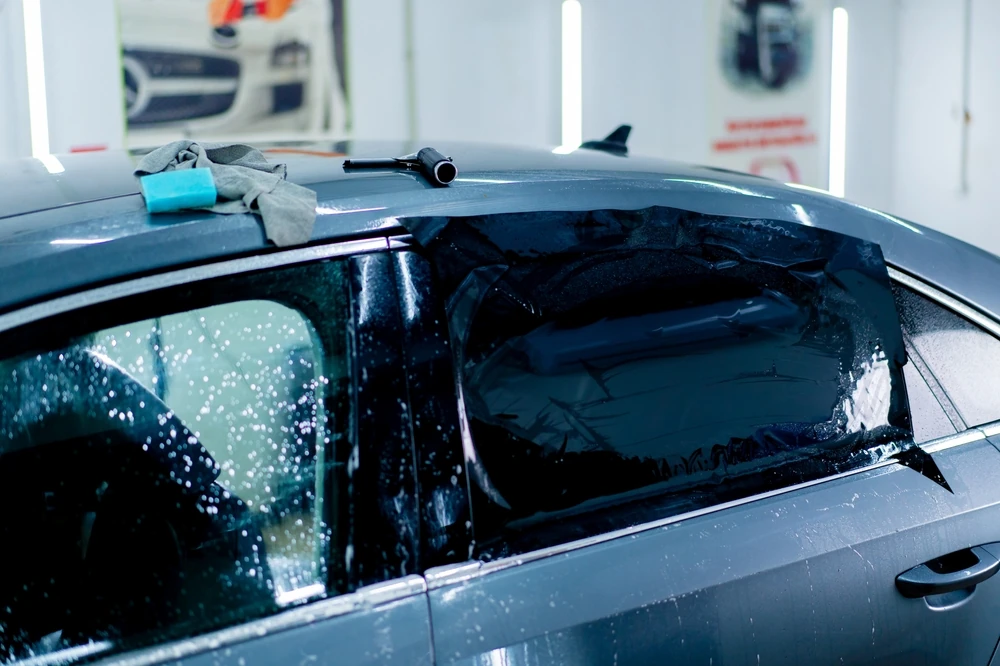
Choosing a tint percentage is mostly about balancing style, privacy and visibility. Each level of darkness suits different drivers, conditions and priorities, from a subtle factory-style look to a more private rear cabin. Understanding what each common percentage actually looks like on the glass makes it much easier to choose a film that will work day to day.
Films in the 70 to 50% range are often chosen for drivers who want UV and heat protection without a noticeably dark appearance. On most vehicles, 70% looks very close to clear glass with only a slight softening of glare. It is commonly used on windscreens where permitted or to match factory privacy glass.
Around 50% is a popular choice for front side windows in regions with stricter tint laws. It offers a gentle tint that cuts some heat and reduces eye strain at night without making the cabin look heavily modified. For drivers who do a lot of night or rural driving, this range maintains very good visibility while still providing a more comfortable interior.
At around 35%, the film starts to look clearly tinted without being very dark. From outside the car, the interior is less visible during the day, although occupants can still be seen on closer inspection. Inside the cabin, visibility remains good in daylight and still acceptable at night for most drivers.
This level is often chosen for all side and rear windows to achieve a uniform look that feels premium without attracting too much attention. It is especially suited to daily drivers and family vehicles where a balance between privacy, style and practicality is needed. It also works well for those who park outside frequently, as it reduces fading of upholstery and trims while keeping enough light for safe reversing and lane changes.
At 20% tint, the interior of the car becomes difficult to see from outside in daylight, which offers a strong sense of privacy. Many SUVs and utes with dark factory glass at the rear are visually close to this level. Inside the vehicle, there is a noticeably cooler feel and lower glare, which is useful for passengers and for keeping child seats and cargo out of view.
The 5% level, often called “limo tint", is extremely dark. It gives maximum daytime privacy and a very bold appearance. However, it reduces visibility, especially at night or in wet conditions. For this reason, it is typically reserved for rear windows only, where legal and is best suited to vehicles used mostly in bright urban environments with good street lighting rather than unlit country roads.
Selecting the right window tint percentage involves more than picking what looks good. The ideal shade balances legal compliance, comfort, appearance and practicality for daily driving. A considered choice helps avoid fines, improves driving safety and ensures long‑term satisfaction with the tint.
Several key factors should guide the decision before any film is applied. These include local regulations, driving conditions, privacy needs, visibility at night and the specific performance benefits expected from the tint such as heat rejection or UV protection.
Tint percentage only tells part of the story. Two films with the same VLT can perform very differently in terms of heat and UV rejection depending on the technology used.
High-quality films, such as ceramic or advanced nano‑technology options, can block a significant amount of infrared heat and over 99% of UV radiation, even at lighter shades like 35 to 50% VLT. This means it is often possible to stay within legal limits while still achieving a cooler cabin, reduced fading of interiors and added skin protection. When comparing options, it is important to look at:
Choosing film based on performance data rather than darkness alone leads to better comfort and protection without compromising safety or legality.
Tint also affects how the vehicle looks and how much privacy occupants enjoy. Darker tint on rear windows can conceal valuables and create a more private cabin, suiting family vehicles, rideshare cars and work vehicles carrying equipment.
However, a very dark look does not suit every car or every driver. Lighter performance films can still sharpen the appearance of the vehicle, reduce interior glare and provide a clean factory‑style finish. The age, colour and style of the vehicle, along with how it is used day-to-day, should all influence the final tint percentage.
Choosing the right tint percentage starts with a clear idea of how the car is used every day. The best shade balances legal limits, driving visibility and how much heat, glare and privacy are needed. A film that looks perfect in photos may feel too dark during night driving or too light in harsh summer sun.
The selection process is not only about appearance. Tint percentage affects comfort, safety and long-term protection of the interior. Thinking through a few key factors before installation avoids regret and costly changes later.
Every region sets a minimum VLT for different windows. The VLT number is the percentage of light that passes through the glass. A higher number means a lighter tint; a lower number means a darker tint.
The safest starting point is to decide on a range that sits comfortably within local law rather than right at the limit. Factory glass already has some tint, so adding film reduces VLT further. A film labelled 35% on clear glass can appear darker on factory-tinted windows. Professional installers measure existing glass and calculate a legal combination.
Night driving is equally important. Very dark tints on front side windows or the windscreen can reduce contrast and make pedestrians or cyclists harder to see. Drivers who often travel on unlit roads should avoid going too dark on the front sides, even if it is technically legal.
Those who prefer a clean factory-style finish often choose 35 to 50% on all side windows. Modern high-performance films in these lighter shades can still block significant heat and over 99% of UV without making the glass look heavily tinted.
A practical approach is to view several vehicles with different percentages in similar lighting, then sit inside them if possible. This gives a real sense of how each shade affects vision in the mirrors and through the rear glass and helps narrow the choice to the percentage that fits legal rules, driving habits and comfort expectations.
Choosing the right window tint percentage ultimately comes down to balancing appearance, comfort, performance and legal compliance in a way that suits real driving conditions. Understanding how visible light transmission works, how different shade levels influence glare, heat and privacy and what local regulations require allows for a more confident and informed decision. With guidance, technical specifications and legal requirements are translated into a tailored tint solution that delivers both performance and visual appeal, ensuring long-term satisfaction without compromising safety or compliance.
Prime Window Tinting is a family owned and operated local business in Canberra, ACT. We're driven to deliver excellence in the tinting of your car, home or office.
