
SERVICE AREA
All Of Canberra
.svg)
0431 262 273

Double-glazed windows are designed to improve insulation, reduce outside noise and support better energy efficiency. However, adding window film to insulated glass requires careful product selection and installation. When planning home window tinting in Canberra, it is important to understand how tint interacts with double-glazed units to avoid issues such as thermal stress, seal failure or warranty problems.
Prime Tinting understands that double-glazed windows need the right film selection to reduce heat, glare and UV exposure without increasing the risk of glass or seal damage. Glass type, coatings, sun exposure, frame condition and manufacturer recommendations all influence whether tinting is suitable and which products can be safely installed.
With the right checks in place, window film can improve comfort, daytime privacy, UV protection and energy efficiency while helping preserve the long-term performance of double-glazed windows.
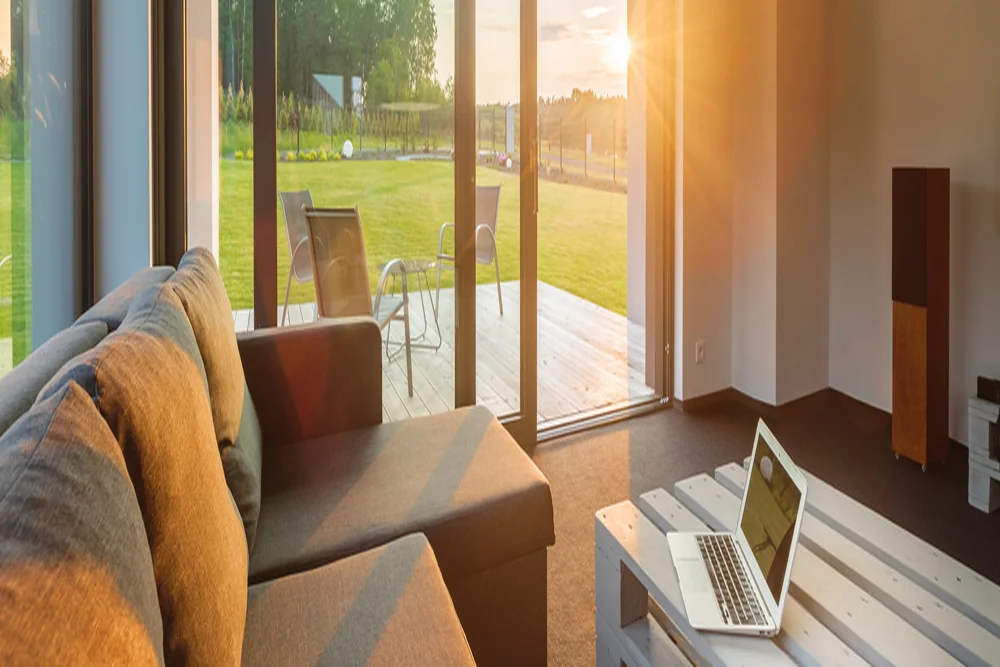
Incorrect or poor-quality window film on double-glazed units can cause more than a disappointing result. It can shorten the life of the glass, compromise thermal performance and void manufacturer warranties. Understanding these risks is essential before applying any film to insulated glass.
The main problems arise when the film changes how the glass absorbs and releases solar energy. Double glazing is carefully engineered as a system. The wrong film can upset that balance and create additional stress inside the glass and between the panes.
The most serious risk is thermal stress cracking. This occurs when one part of the glass heats up much more than another part. Dark or highly reflective films can absorb a large amount of solar energy. On double glazing, that extra heat may not escape easily because of the air or gas gap and any low-E coating already present.
Situations that increase the risk of thermal stress include:
The glass edge and shaded sections can remain relatively cool while the centre heats rapidly. The resulting expansion difference can cause a crack that often starts from the edge of the pane. Once cracked, the insulated glass unit usually requires full replacement.
Double-glazed units rely on perimeter seals to keep insulating gas or dry air inside the cavity and moisture out. The wrong window film can push surface temperatures beyond what the sealant and spacer system was designed to handle.
Excessive heat at the glass surface can:
When the seal fails, moisture can become trapped between the panes. This usually appears as persistent fogging or condensation that cannot be wiped away from either side of the glass. Once internal fogging appears, the unit is no longer performing correctly and generally needs to be replaced.
Some films are incompatible with specific glass types, including toughened, laminated, low-E or already tinted double glazing. Incompatible combinations can alter how the glass absorbs heat and may lead to visible distortion or a bowed appearance as one pane heats more than the other.
An incorrect film choice can also:
Many glass and window manufacturers specify which films are compatible with their products. Applying a non-approved film can void the double-glazing warranty, even if damage does not appear straight away. Careful film selection that aligns with the glass specifications is therefore critical for protecting both performance and warranty coverage.
Before any film is applied to double-glazed windows, several checks are needed to reduce the risk of thermal stress damage, warranty loss or disappointing performance. Skipping these steps can lead to glass cracking, seal failure or tinted windows that do not deliver the expected heat and glare reduction.
A careful assessment of the glass type, frame condition, existing coatings and surrounding environment helps determine whether tinting is suitable and which film specification is safe. These checks are just as important as the quality of the film itself.
The first step is to identify exactly what kind of glass is in the unit. Double glazing can combine several technologies, and not all glass responds the same way to additional solar absorption from tinting.
Details to confirm include whether the panes are:
It is also important to identify whether any coating is on the inner or outer surface of the glass. Some high-performance low-E units are designed with a specific energy balance in mind. Adding a film without understanding the existing coating can increase the risk of overheating or stress.
The thickness of the glass and the size of each pane should also be checked. Larger panes and thicker glass can be more vulnerable to uneven heating if the wrong film is selected. Accurate identification may involve checking manufacturer labels, spacer bar markings, original building specifications or supplier documentation.
Before installing tint on double-glazed units, the original window manufacturer’s warranty conditions should be reviewed. Many glass and window suppliers specify which types of film, if any, are compatible with their products. Some may void the warranty if incompatible films are applied.
The following should be verified in advance:
If the glazing is part of a newer build, apartment complex or strata-managed property, building regulations and body corporate rules may also need to be checked. Some schemes restrict changes to the external appearance of windows, meaning highly reflective or very dark films may not be allowed even if they are technically safe for the glass.
Double-glazed performance depends not only on the glass but also on the condition of the frames and edge seals. Before installation, the frames should be inspected for signs of movement, corrosion, warping or failed sealant.
Failed perimeter seals can allow moisture into the cavity, often showing as misting or fogging between the panes. Applying tint to units already suffering from seal failure will not correct the problem and may hide early warning signs of further deterioration.
Any cracked, chipped or previously heat-stressed glass should be replaced rather than tinted. Surrounding building elements should also be considered. Features that trap heat against the glass, such as heavy curtains, close-fitting blinds, external shading or deep recesses, can increase the thermal load created by darker films.
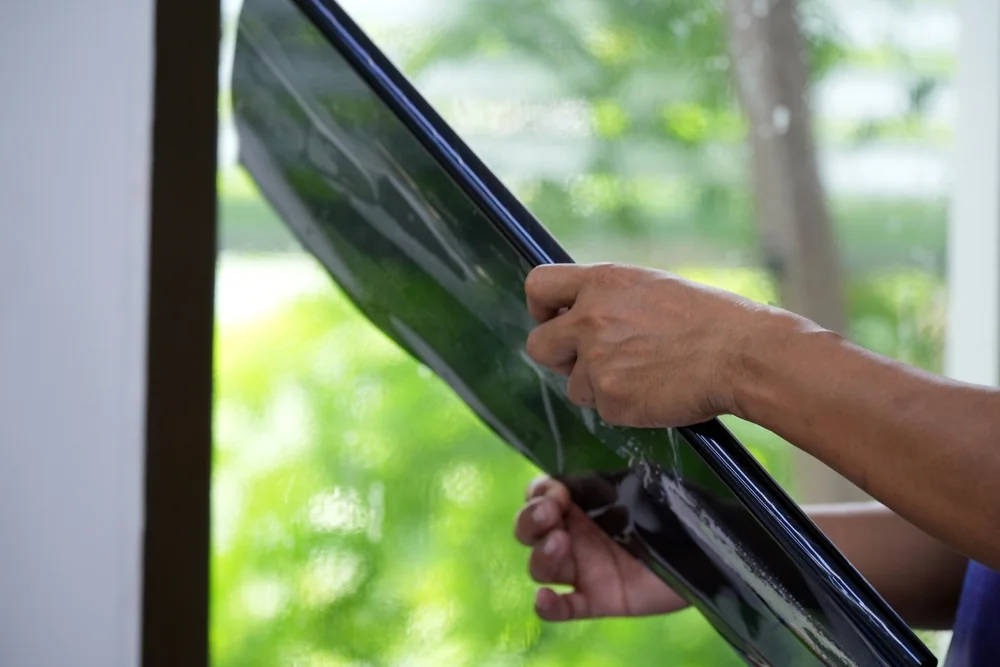
Selecting the correct window film for double-glazed units is critical for safety and performance. The wrong film can create excessive heat stress on the glass, which may lead to seal failure or cracking. The right film can improve comfort, glare control and UV protection without compromising the integrity of the glazing.
The selection process involves matching the film’s optical and solar properties to the glass type and installation conditions. This means understanding the glass construction first, then choosing a film with compatible solar absorption and reflection values.
The first step is to identify exactly what glass is in place. Double glazing can vary widely, and each configuration tolerates heat differently.
Factors usually assessed include:
For example, a clear double-glazed unit facing strong afternoon sun may accommodate a wider range of solar control films than a low-E double-glazed unit, where the coating already alters heat absorption. Accurate identification of coatings is essential, as applying a highly absorptive film to certain coated glasses can push the glass beyond safe stress limits.
Once the glass is understood, the next step is to define what the film needs to achieve while staying within safe thermal limits.
Performance targets usually include:
For double glazing, one of the most important technical factors is solar absorption. Films that absorb a high proportion of solar energy can cause the glass to heat unevenly. For many double-glazed systems, especially tinted or low-E units, a medium to low absorption film is usually preferred.
This does not mean the film cannot perform well. Many modern films are designed to reject heat and UV while allowing natural light to remain usable inside the home. The safest product is not always the darkest film, but the film that best matches the glass, orientation and performance goal.
A responsible selection relies on data, not guesswork. Each film comes with technical specifications, including solar heat gain coefficient, shading coefficient, visible light transmission, reflectance and absorption. These figures can be assessed alongside the glass details to determine whether the film is suitable.
A film is correctly selected when:
If a desired visual look conflicts with safety limits, a different product family or lighter shade may be recommended. This ensures improved comfort and appearance do not come at the cost of premature double-glazed unit failure.
Window tinting can affect a double-glazed window warranty if the film type or installation method does not align with the glass manufacturer’s conditions. Many homeowners only discover this after a seal failure or thermal crack is rejected as a warranty claim. Understanding how tint interacts with existing warranty terms is important before any film is applied.
Most double-glazed units carry specific clauses about aftermarket modifications. Some warranties may void cover only for glass breakage, while others may exclude any failure of the insulated glass unit. Some manufacturers allow tinting, but only with approved products installed by qualified technicians.
Manufacturers often specify what can and cannot be applied to the interior surface of insulated glass. Tinting can increase heat absorption in the glass, leading to higher thermal stress, especially on large panes or tinted, low-E or laminated glass.
Warranty documents may include conditions such as:
It is common for standard warranties to exclude defects that arise from modifications not expressly approved by the manufacturer. If tinting is mentioned, it is often in an exclusion clause tied to thermal stress, seal damage or aftermarket alteration.
Not all window films affect warranties in the same way. High-absorption, reflective or very dark films that significantly change the solar load on the glass are more likely to trigger exclusions. Modern spectrally selective films are designed to control heat and UV while limiting additional stress on double glazing.
Manufacturers are more receptive to films that have documented compatibility with insulated units. Some film brands provide their own glass breakage or seal failure warranties when installed on compliant glazing. In some cases, this may supplement limited coverage that could be affected by the original glass warranty.
Installation quality also matters. Poor surface preparation, trapped moisture, contamination, uneven trimming or damage near the glass edge can create problems regardless of the film type. If an installation contributes to seal damage or glass stress, it may become grounds for a rejected claim.
Before tinting any double-glazed window, the starting point should be the original warranty documentation from the window supplier, builder or glazing manufacturer. If tinting is not clearly addressed, written clarification should be requested from the manufacturer or distributor. Relying only on verbal assurances can create disputes later.
The safest approach is to confirm three points in writing:
Keeping copies of the original warranty, film specifications, installer details and installation documentation provides a clear paper trail if a future claim is required. When these elements align, tinting can usually be added to double-glazed windows with far less risk to performance or warranty protection.
Tinting double-glazed windows can provide a mix of comfort, protection and efficiency that standard glass may not deliver on its own. When correctly matched to the glass type and installed with care, window film can improve thermal performance, reduce glare and protect interior finishes without compromising the insulating benefits of double glazing.
Although double glazing already offers better insulation than single panes, it does not always resolve heat, glare, UV exposure or daytime privacy concerns on its own. Quality window film can help bridge these gaps and make rooms more comfortable throughout the year.
One of the most recognised benefits of tinting double-glazed windows is more stable indoor temperatures. Modern solar control films are designed to reject a large percentage of solar heat while still allowing useful natural light into the room.
In summer, window film can reduce the amount of infrared energy entering through the glass. This helps lower indoor heat gain, so air conditioning may not need to run as frequently or as hard. In winter, some films can help retain interior warmth by reflecting radiant heat back into the room.
Tinting can also help reduce hot and cold spots near large glazed areas. Rooms that were previously uncomfortable near windows in the afternoon may feel more even in temperature once a suitable film is applied.
Uncontrolled glare from direct sun or reflections on nearby surfaces can make rooms uncomfortable and screens difficult to use. Double glazing alone does not always solve this visual discomfort.
Tinting reduces glare to a more comfortable level for reading, working on computers, watching television or using living spaces during bright parts of the day. This is especially valuable in rooms with large north or west-facing windows where afternoon sun can be intense.
By softening bright light instead of blocking it completely, quality films help maintain visibility outside and a natural daylight feel inside. This can reduce the need to keep blinds or curtains closed throughout the day.
For street-facing windows or homes that are closely overlooked, certain tints can provide increased daytime privacy. People outside may see a more reflective surface, while those inside retain a clearer outward view during normal daylight conditions.
This can be useful for living areas, bedrooms, home offices and front-facing rooms where privacy is important but natural light is still wanted. However, privacy performance depends on lighting conditions. At night, when interior lights are brighter than outside, blinds or curtains may still be needed.
Even with double glazing, some ultraviolet radiation can still pass through standard glass. Over time, this contributes to fading and deterioration of flooring, furniture, window coverings and artwork.
Many modern architectural films block up to 99% of UV rays. By filtering this portion of the light spectrum, tinting can slow the rate of fading and material breakdown. Timber floors may keep their colour longer, fabrics can retain vibrancy and artworks may be less affected by sun exposure.
UV control is also a comfort and health consideration. While double glazing provides some protection compared with single panes, additional UV rejection from film can further reduce exposure in rooms where occupants spend long periods.
Tinting double-glazed windows can provide valuable benefits when the right film is matched to the glass type and installed correctly. Because insulated glass units can be sensitive to heat absorption, existing coatings, seal condition and manufacturer requirements all need to be considered before installation.
The safest approach is to confirm the glass type, check warranty conditions, assess sun exposure and select a film that is compatible with the existing double-glazed unit. With the right checks in place, window film can improve heat control, glare reduction, UV protection, daytime privacy and indoor comfort without compromising the performance or lifespan of the glazing system.
Prime Window Tinting is a family owned and operated local business in Canberra, ACT. We're driven to deliver excellence in the tinting of your car, home or office.
