
SERVICE AREA
All Of Canberra
.svg)
0431 262 273

When comparing window tint options, the differences between film types go far beyond appearance alone. Modern tint technology now offers different levels of heat rejection, UV protection, glare control and long-term durability, making the choice more important than simply selecting a darker shade. For drivers considering car tinting in Canberra, understanding how ceramic tint compares with regular dyed or metallic film can help balance upfront cost against everyday comfort, interior protection and long-term value.
Prime Tinting compares ceramic and regular tint across heat rejection, cabin comfort, visibility, signal compatibility and lifespan. The article also explains where standard tint remains a practical and cost-effective option, and where ceramic technology offers advantages that may justify the higher investment. By understanding how each film performs in different driving conditions, vehicle owners can choose a tint that suits their climate, budget and expectations.
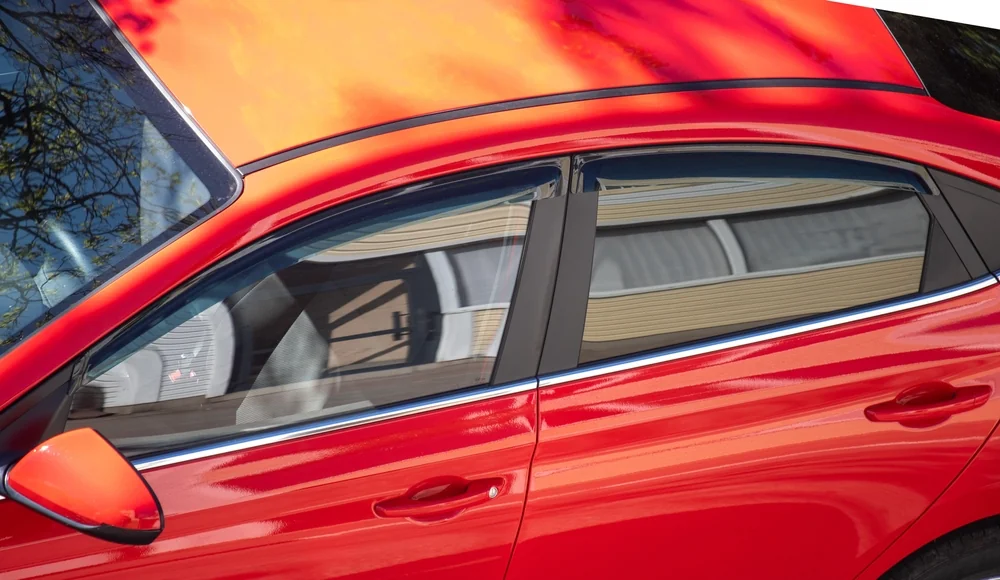
The main difference between ceramic tint and regular tint is the material used and the level of performance that material provides. Both types can darken windows, improve privacy and reduce glare, but ceramic tint is designed to block more heat and UV radiation while maintaining clear visibility.
Regular tint usually refers to dyed or basic metalised films. These are more affordable upfront and can still improve the appearance and comfort of a vehicle, but they generally offer more limited heat rejection. Some metallic films can also interfere with electronic signals. Ceramic tint uses non-metallic ceramic particles that target infrared heat and UV without relying on reflective metals, allowing it to stay cooler, last longer and remain compatible with modern in-car technology.
Regular dyed tint is made by infusing dye into a polyester film. The dye absorbs some visible light, which reduces glare and darkens the glass. However, its ability to block heat is more limited. Over time, lower-quality dyed films may fade, turn purple or develop a patchy appearance, reducing both appearance and performance.
Metalised tint adds tiny metallic particles to the film. This improves heat rejection compared with plain dyed film and can increase durability. However, the metallic layer may create a more reflective, mirror-like look from outside the vehicle and can sometimes interfere with radio, GPS, mobile or toll tag signals.
Ceramic tint uses nano-ceramic particles embedded in the film. These particles are non-conductive and non-metallic, so they do not disrupt signals. They are designed to block a high percentage of infrared heat and UV radiation without making the tint overly reflective, which helps preserve a cleaner, more factory-style appearance.
Heat rejection is where ceramic tint separates itself most clearly from regular dyed film. Quality ceramic films can block a higher proportion of infrared heat while still using a legal and practical shade level. This can make the vehicle more comfortable during hot weather, especially when it is parked in direct sun or used for longer daily drives.
Ceramic tint may help with:
Regular tint can still reduce glare and provide some heat relief, but the difference is often more noticeable in direct sunlight. This is especially true for vehicles with large windows, rear screens, windscreens or panoramic glass areas.
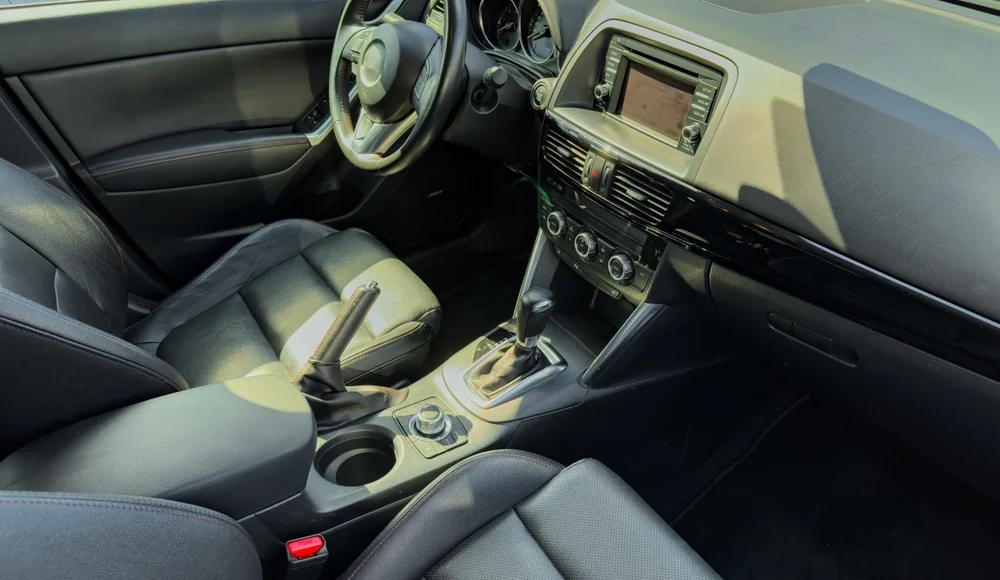
Tint is not only about how dark the glass looks from outside. It also affects how clearly the driver can see through the windows from inside the vehicle. Ceramic tint generally provides better optical clarity with less haze, particularly when compared with cheaper dyed films. This can help maintain visibility at night, in wet weather and during bright daytime conditions.
In terms of durability, regular dyed films are more likely to fade or develop a bluish or purplish tone over time. Metalised films may hold their colour better, but they can still create a more reflective appearance and may not suit every vehicle. Ceramic films are more resistant to fading and discolouration, helping the tint maintain its original tone and cleaner finish for longer.
From outside the vehicle, regular tint can appear flat, dark or reflective depending on the film type. Ceramic tint often provides a deeper, more refined appearance without the shiny mirror effect associated with some metallic films.
Ceramic window tint generally outperforms regular dyed or basic metallic tint in the areas most drivers care about: heat rejection, cabin comfort, UV protection, visibility and lifespan. Although it can look similar once installed, the technology inside ceramic film allows it to block more of the sun’s energy without needing to be extremely dark.
For drivers deciding whether the upgrade is worth it, the key difference is performance per shade level. A mid-shade ceramic film can often deliver stronger heat reduction than a darker standard tint, which is useful where legal tint limits and night visibility need to be considered.
Ceramic tint is designed to target infrared heat, which is the part of sunlight that contributes heavily to cabin heat build-up. Quality ceramic films can block a high percentage of infrared heat, while standard dyed tint mainly absorbs visible light and offers more limited infrared control.
In practical terms, ceramic tint can help the cabin heat up more slowly when parked in the sun. It can also help the air conditioning bring the cabin to a comfortable temperature faster and reduce how hard the system has to work during hot weather.
Regular tint can darken the glass and cut glare, but the cabin may still feel hot in direct sun. Ceramic tint can provide a cooler feel at a similar visible shade, improving comfort for both drivers and passengers.
Both regular and ceramic tints can provide UV protection, but higher-grade ceramic films are commonly rated to block up to 99% of UV radiation. This helps protect occupants during regular driving and reduces the impact of long-term sun exposure through the vehicle’s windows.
UV protection also helps preserve the interior. Seats, dashboards, steering wheels and trims can fade, dry out or crack after prolonged exposure to sunlight. Regular dyed films may provide some protection, but lower-quality films can lose effectiveness as they age. Ceramic films are generally more stable under strong sunlight, helping maintain their protective qualities for longer.
Ceramic tint is designed to maintain strong optical clarity. It reduces glare without creating the hazy or slightly distorted look that can occur with some lower-cost dyed films, especially as they age. Because ceramic film can deliver strong heat control without needing to be overly dark, visibility can remain clearer during night driving and wet conditions.
Ceramic films are also non-metallic, which makes them a better option for vehicles that rely heavily on electronic systems. They are less likely to interfere with GPS, mobile reception, toll tags, keyless entry or other wireless technology. Metallic films, on the other hand, can sometimes affect these systems, particularly when applied to glass areas that contain antennas or sensors.
For many drivers, ceramic tint is worth the extra cost when long-term comfort, heat control and durability are priorities. The main question is whether the added performance justifies paying more upfront compared with a standard dyed or basic metallic film.
The answer usually depends on the local climate, how the vehicle is used, how long it will be kept and how sensitive the occupants are to heat and glare. In hot or sunny regions, the difference in everyday comfort can make ceramic tint feel like a practical upgrade rather than a luxury.
Ceramic tint is designed to block more infrared heat than regular dyed film while still remaining suitable for legal shade limits. Two vehicles can have tint that looks similar from outside, yet the vehicle with ceramic film will usually feel cooler inside on a sunny day.
The main advantages of quality ceramic tint include stronger heat rejection, better infrared control, excellent UV protection and improved resistance to fading. For drivers who park outside at work or at home, the lower cabin temperature can also mean quicker cool-down times when re-entering the vehicle.
Ceramic tint usually costs more at installation, but it can provide better long-term value. High-quality ceramic films are less likely to fade, bubble, peel or turn purple compared with cheaper dyed films. This reduces the likelihood of needing the tint removed and replaced after only a few years.
For drivers planning to keep their vehicle long term, the higher upfront cost can become easier to justify. Better heat rejection may also reduce heavy air conditioning use, particularly during summer commuting or stop-start urban driving.
Regular window tint can still be a smart and cost-effective choice in many everyday situations. It can reduce glare, improve privacy and give the vehicle a cleaner appearance without the higher price of ceramic film. For drivers who do not deal with extreme heat or who rarely leave their car parked in direct sun, the performance gap between regular and ceramic tint may feel less important.
The key is matching the film type to real driving conditions, budget and expectations. Paying extra for ceramic performance is worthwhile in hotter conditions or for vehicles exposed to regular direct sun. In milder conditions or for short-term vehicle ownership, standard dyed or dyed/metallic films may deliver everything that is realistically needed.
Regular tint is often the most practical choice when cost matters more than top-tier performance. It can suit drivers who want privacy, owners of older or lower-value vehicles and anyone who does not plan to keep the car for many years.
On an older sedan, work ute or second vehicle, regular tint can improve appearance and comfort at a lower cost. If the vehicle may be sold within a year or two, the extra investment in premium ceramic heat rejection may not be fully appreciated.
For many drivers, the biggest everyday improvement is simply reducing glare and making the interior less visible from outside. Standard films can handle those tasks well when installed correctly and selected within legal limits.
Regular tint is often sufficient in milder climates or for vehicles that are rarely left in direct sunlight. If most driving happens early in the morning, in the evening, on shaded routes or over short distances, cabin temperatures may not climb high enough for ceramic performance to feel essential.
Even standard tint can block a portion of UV light, helping slow fading of seats and trims. For drivers who usually park under cover or do not spend long periods in a hot vehicle, the difference between regular and ceramic heat rejection may be noticeable but not critical.
Regular tint is usually enough for drivers who are not especially sensitive to heat or glare and who mainly want a practical improvement in privacy and appearance.
It may suit drivers who:
If expectations centre on cutting glare, improving daytime comfort and giving the vehicle a neater look, standard film can perform reliably. The vehicle may take longer to cool in peak summer compared with ceramic tint, but for many owners, that trade-off is acceptable given the lower installation cost.
Choosing between ceramic and regular tint is not only about price or appearance. Several technical and legal factors influence how well the tint will perform, how long it will last and whether it will suit the vehicle. A quick comparison of shade alone is rarely enough to make the right choice.
Before committing to any film, it is worth checking heat rejection, UV protection, local tint laws, technology compatibility and warranty coverage.
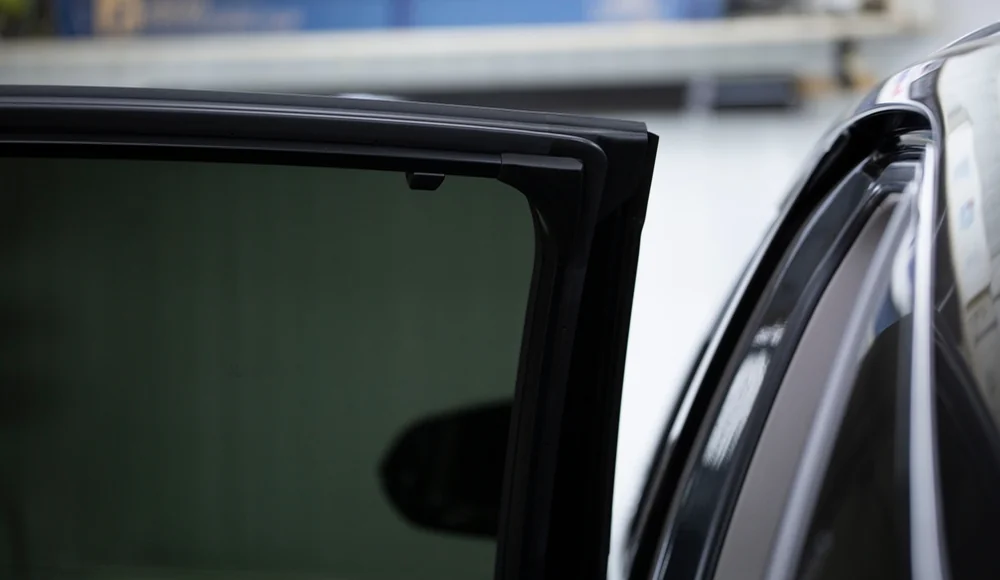
Every state and territory sets rules for how dark and reflective vehicle window tint can be. These regulations are based on Visible Light Transmission, or VLT, which refers to the percentage of light allowed through the glass. Before choosing a film type or shade, it is important to confirm the legal requirements for each window.
Key factors to check include:
A reputable installer will match film options to local regulations and provide clear information about the VLT rating. Choosing a film that falls below the legal limit can lead to failed inspections, fines or the cost of removing and replacing the tint.
Not all tints that look similar provide the same level of protection. Ceramic films are designed to block more infrared heat and UV radiation than most dyed or basic metallic films.
For vehicles parked outdoors for long periods, higher heat rejection can noticeably reduce cabin temperatures, protect interiors from fading and reduce the load on air conditioning. Drivers who regularly deal with sunrise, sunset or bright reflective glare should also compare how different films reduce glare without making night driving uncomfortable.
Modern vehicles rely on electronic systems that can be affected by certain tint films. Metallic tints in particular can interfere with some wireless signals and vehicle technology.
Systems that may be affected include:
Ceramic films are non-metallic and are generally preferred when uninterrupted signal strength is important. Before choosing a tint, it is sensible to confirm which films are suitable for vehicles with advanced driver-assistance systems, antenna glass, defroster lines or built-in sensors.
A darker shade on day one does not always mean a better long-term result. Quality ceramic films usually resist fading, bubbling and purple discolouration more effectively than low-cost dyed films. Before approving any tint installation, it is worth checking what the warranty covers and how long the film is expected to last.
Important warranty details include:
It is also helpful to view real installed examples rather than relying only on small sample cards. Seeing the tint on a vehicle gives a clearer idea of its reflectiveness, colour consistency, shade level and overall appearance in natural light.
Choosing between ceramic tint and regular tint depends on the level of comfort, performance and long-term protection expected from the vehicle. Ceramic films generally offer stronger heat rejection, excellent UV protection, clearer visibility and better durability, making them a strong choice for vehicles exposed to regular sun, heat and daily driving.
Regular dyed or metallic tint can still be a practical option for drivers who mainly want privacy, glare reduction and a cleaner vehicle appearance at a lower upfront cost. The best choice comes down to climate, budget, vehicle use and how long the car will be kept. Working with an experienced installer helps ensure the selected film complies with local tinting laws, suits the vehicle’s technology and delivers reliable performance over time.
Prime Window Tinting is a family owned and operated local business in Canberra, ACT. We're driven to deliver excellence in the tinting of your car, home or office.
